Seasonal Stinkbug Activity and When Control Is Most Effective
To manage seasonal stinkbug activity and when control is most effective, local service providers can implement targeted treatments to prevent infestations during peak times.
Understanding seasonal stinkbug activity and when control is most effective can help property owners better manage these unwelcome visitors. As these pests tend to become more active during specific times of the year, knowing their patterns allows for timely and targeted interventions. Property owners in the area often explore this topic to prevent infestations from entering homes or causing damage to plants and structures. By staying informed about their seasonal behaviors, individuals can make smarter decisions about when to seek assistance from local contractors who specialize in stinkbug control, ensuring efforts are both efficient and effective.
Keeping track of when stinkbugs are most active also highlights the importance of implementing control measures at the right moments. Local service providers offer expertise in managing seasonal stinkbug activity, helping property owners reduce their populations before they become overwhelming. Whether it’s preparing for the fall invasion or addressing early signs of activity, connecting with experienced professionals can make a significant difference. Read on to learn more about the timing of stinkbug activity and how local contractors can assist in keeping these pests outside where they belong.
- Seasonal Stinkbug Control - homeowners noticing increased stinkbug activity during fall and early winter can rely on local contractors to implement effective treatments before they enter living spaces.
- Seasonal Stinkbug Control - property owners seeking to prevent stinkbugs from invading structures during peak seasonal activity can work with local service providers to apply targeted control methods.
- Seasonal Stinkbug Control - those experiencing a sudden surge in stinkbug presence in late summer or early autumn can contact local pros for timely interventions to reduce infestations.
- Seasonal Stinkbug Control - residents preparing for seasonal changes who want to minimize stinkbug entry can consult with local contractors to identify optimal control timing.
- Seasonal Stinkbug Control - property managers aiming to protect commercial or multi-unit buildings from seasonal stinkbug activity can rely on local service providers to develop strategic control plans.
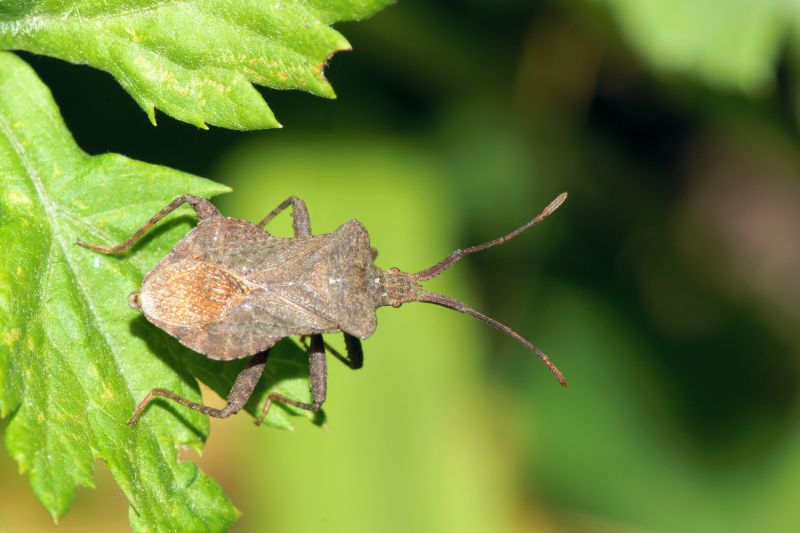
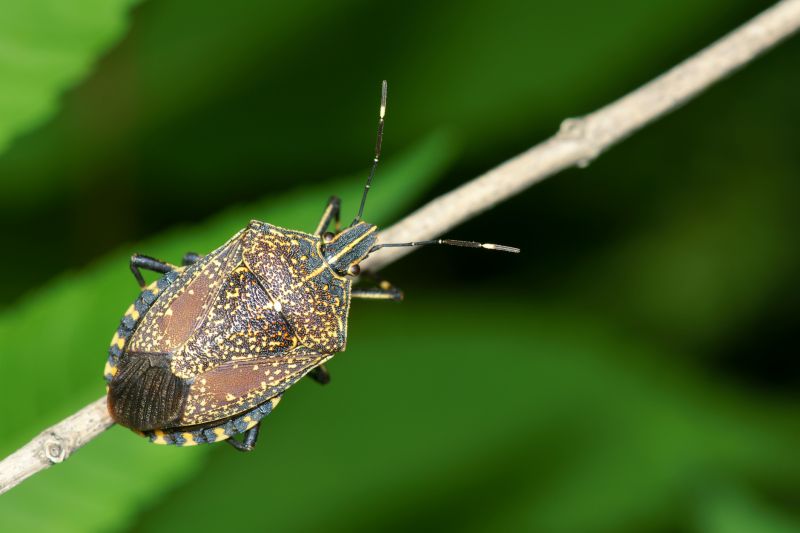
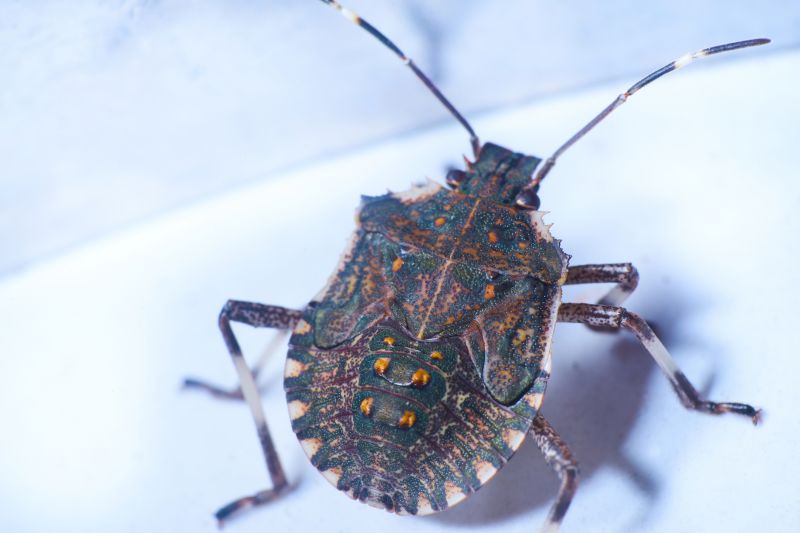
Understanding seasonal stinkbug activity and when control is most effective is a common concern for homeowners dealing with these persistent pests. When people search for this topic, they often want to know about the times of year when stinkbugs are most active, especially as they seek to prevent invasions or reduce populations. This information helps homeowners plan pest control strategies to keep their properties comfortable and free of infestations. Typically, the focus is on understanding the patterns of stinkbug movement and behavior throughout the year, so they can coordinate with local service providers to implement control measures at the right moments.
Many property owners associate seasonal stinkbug activity with specific periods, particularly in the fall when these insects seek indoor shelter for the winter. They may also notice increased activity during late summer, when stinkbugs are emerging from their outdoor habitats. This activity can pose problems for homes, especially those with entry points like cracks around windows, doors, or vents. The type of property often involved includes single-family homes, apartment complexes, and even commercial buildings that provide access points or warm indoor environments. These properties are typically located near fields, gardens, or wooded areas, which serve as natural habitats for stinkbugs, making them more prone to seasonal invasions.
For homeowners, understanding when control is most effective involves recognizing the timing of stinkbug life cycles and behavior patterns. Local service providers can assess these seasonal trends and recommend the best times to deploy control methods. Usually, early fall is considered an ideal window for preventative treatments before stinkbugs attempt to enter homes in large numbers. Conversely, late winter or early spring might be less effective for control, as the insects are less active or dormant. Coordinating pest management efforts with the natural activity cycles of stinkbugs ensures that control measures are more successful and can help minimize the need for repeated interventions.
Partnering with local contractors who specialize in seasonal stinkbug control can make a significant difference in managing infestations. These professionals understand the local climate and stinkbug behavior, allowing them to advise on the most strategic times for treatment. They often recommend a combination of sealing entry points and applying targeted treatments during peak activity periods. This approach helps reduce the number of stinkbugs that can invade a property, making the control process more efficient and effective. Homeowners who are aware of seasonal activity patterns and work with experienced local pros can better protect their properties from these unwelcome pests throughout the year.
Home Inspection Services - Professionals who perform home inspections can identify areas where stinkbugs are likely to invade during seasonal activity peaks, helping homeowners prepare and plan effective control measures.
Pest Control Planning - Local contractors specializing in pest management can develop targeted strategies for controlling stinkbug populations based on seasonal activity patterns and environmental conditions.
Sealant and Barrier Services - Experts in sealing entry points and installing barriers can help reduce stinkbug intrusion during their active seasons, enhancing overall control efforts.
Seasonal Pest Monitoring - Service providers offering pest monitoring can track stinkbug activity levels throughout the year to advise on the most effective timing for control interventions.
Exterior Treatment Services - Local contractors skilled in exterior pest treatments can apply targeted solutions during peak activity periods to prevent stinkbug infestations inside the home.
Property Maintenance Services - Professionals providing property upkeep can identify and address structural vulnerabilities that coincide with seasonal stinkbug activity, supporting ongoing control efforts.
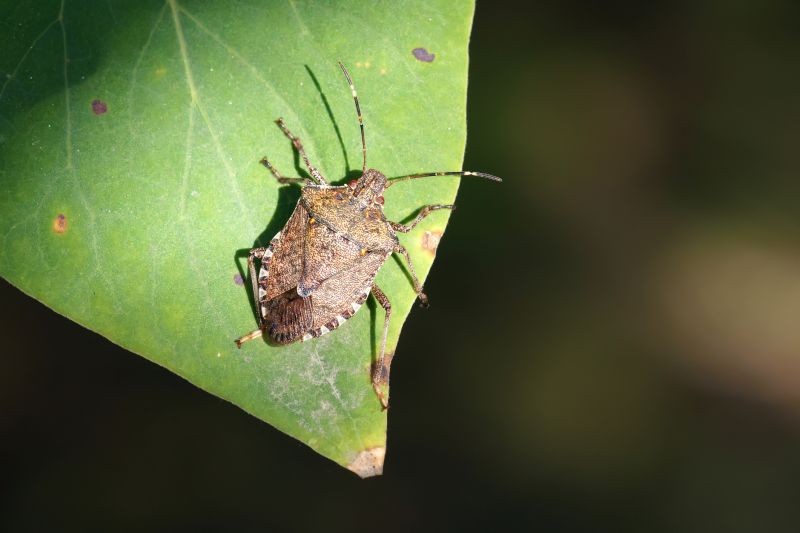
When comparing local contractors for seasonal stinkbug activity and when control is most effective, it is important to consider their experience with similar projects. Homeowners should look for service providers who have a proven track record of handling pest control issues related to seasonal insect activity, ensuring they understand the patterns and behaviors of stinkbugs throughout the year. An experienced contractor can offer insights into the most appropriate timing for treatments and preventive measures, which can be crucial for effective control during peak activity periods.
Clear written expectations are essential when evaluating potential service providers. Homeowners should seek contractors who provide detailed descriptions of their services, including what treatment methods are used, the areas covered, and any recommended follow-up actions. Having this information in writing helps establish a mutual understanding of what the control process entails and sets realistic expectations about the results. It also allows homeowners to compare the scope and approach of different providers more effectively.
Reputable references and strong communication are key factors in choosing a reliable local contractor. Service providers with positive references from previous clients can give confidence in their ability to deliver quality work and handle seasonal stinkbug control effectively. Additionally, good communication-such as responsiveness, clarity in explanations, and willingness to answer questions-can make the process smoother and more transparent. These qualities help ensure that homeowners feel informed and confident in the service provider’s expertise when planning for seasonal stinkbug management.
Property owners often search for seasonal stinkbug activity and when control is most effective when they are planning practical projects around their homes and businesses. Local pros provide Seasonal Stinkbug Control services for everyday jobs and straightforward project options.
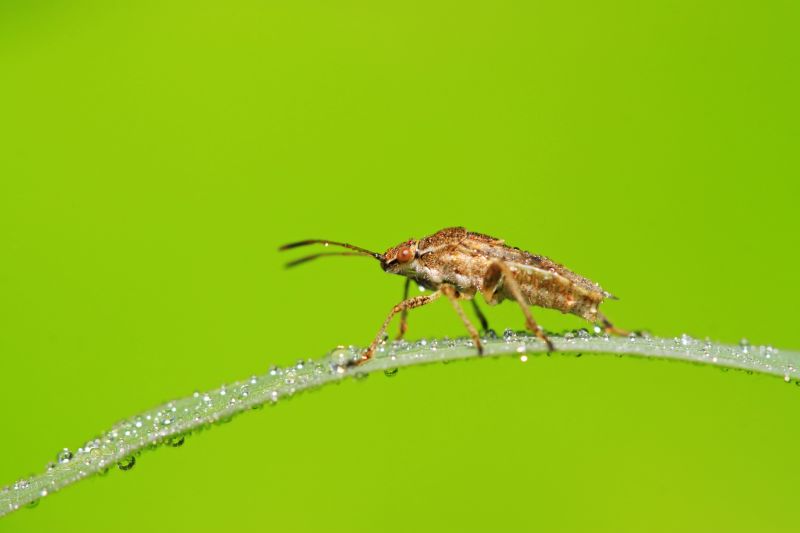
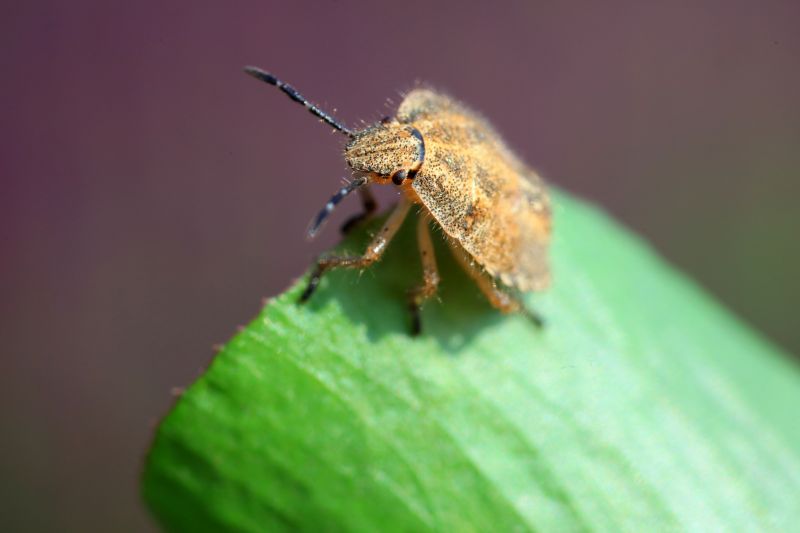
Seasonal stinkbug activity tends to increase during specific times of the year, particularly in the fall when these insects seek warm places to overwinter. Property owners noticing an uptick in stinkbugs inside or around their homes might wonder when control efforts are most effective. Typically, early intervention before the insects become a widespread problem can help reduce their numbers and prevent infestations. Local contractors who specialize in pest management can assess the timing and severity of the activity, offering targeted treatments that are most likely to be successful when applied at the right moments.
Understanding when control measures are most effective is essential for managing seasonal stinkbug activity. Professionals experienced in pest control can advise on the best times to implement preventative or remedial treatments, often before the insects enter structures or become a nuisance. Engaging with service providers in the area ensures that property owners receive timely and appropriate solutions, helping to minimize the impact of stinkbugs during their peak periods and avoiding larger infestations later in the season.
When does seasonal stinkbug activity typically increase? Seasonal stinkbug activity usually rises during late summer and early fall as they seek indoor shelter before winter. Local contractors can provide effective control measures during this period to reduce infestations.
What time of year is control most effective for stinkbugs? The most effective time for stinkbug control is in late summer and early fall, when their populations are growing and they are preparing to enter homes. Local service providers can target these peak times for better results.
How do seasonal changes impact stinkbug behavior? Seasonal changes, especially the transition from summer to fall, trigger increased stinkbug activity as they seek warm places to overwinter. Local pros can help manage this activity with timely treatments.
Are there specific seasons when stinkbug control treatments work best? Treatments tend to be most successful when applied in late summer or early fall, coinciding with the rise in stinkbug activity. Local contractors can recommend the best timing for effective control.
Why is timing important for controlling seasonal stinkbug activity? Proper timing ensures treatments are applied when stinkbugs are most active and vulnerable, increasing the likelihood of effective control. Local service providers can advise on the optimal periods for intervention.
Monitoring seasonal activity - property owners can work with local contractors to identify peak stinkbug periods and plan targeted control efforts accordingly.
Sealing entry points - sealing gaps and cracks before stinkbug activity increases helps prevent invasions during peak seasons with assistance from local pros.
Timing treatments effectively - scheduling control services during specific times of the year when stinkbugs are most active can improve the success of management efforts.
Implementing preventative measures - integrating exclusion and habitat modification strategies with help from local contractors can reduce future stinkbug problems during vulnerable seasons.
If you are thinking about seasonal stinkbug activity and when control is most effective for a property, this guide is meant to help you understand this topic, the typical project types, and how different options might fit your plans.
When you are ready, you can use the quote form on this page to share a few details about your project. From there, local pros can review the basics and follow up with options that match what you have in mind.